

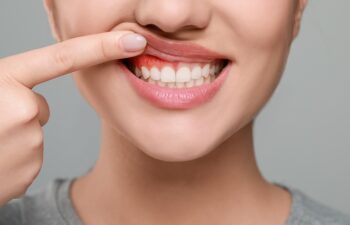
You’re brushing your teeth one morning when you notice something looks different. Your teeth appear longer than they used to, or maybe you’ve spotted a small notch where your gum meets your tooth. Perhaps your teeth have become more sensitive to hot or cold beverages. These are all telltale signs of gum recession, and if you’ve noticed them, you’re probably wondering: can this be fixed?
Gum recession is one of the most common dental concerns, affecting millions of adults. The condition develops gradually, which means many people don’t realize it’s happening until significant changes have occurred. Understanding what causes receding gums, whether the damage can be reversed, and how to protect your gums moving forward can help you take control of your oral health before the problem progresses.
Understanding Why Gums Recede
Gum recession occurs when the gum tissue surrounding your teeth pulls back or wears away, exposing more of the tooth or even the tooth’s root. This isn’t just a cosmetic issue—it can lead to serious oral health complications if left untreated.
Several factors contribute to gum recession, and often multiple causes work together:
- Periodontal Disease: bacterial gum infections destroy gum tissue and the supporting bone structure that holds teeth in place
- Aggressive Brushing: using a hard-bristled toothbrush or brushing too vigorously wears away enamel and irritates gum tissue over time
- Genetics: some people are simply more susceptible to gum disease regardless of how well they care for their teeth
- Hormonal Changes: fluctuations during puberty, pregnancy, and menopause can make gums more sensitive and vulnerable to recession
- Tobacco Use: smoking and chewing tobacco create sticky plaque that’s difficult to remove and damages gum tissue
- Teeth Grinding and Clenching: bruxism puts excessive force on teeth, which can cause gums to recede
- Misaligned Teeth or Bite: when teeth don’t come together evenly, excessive force on certain areas can contribute to recession
- Oral Piercings: lip or tongue jewelry can rub against gum tissue and wear it away
Identifying which factors are contributing to your gum recession is essential for developing an effective treatment plan and preventing further damage.
The Honest Answer About Reversing Gum Recession
Here’s the truth that every patient deserves to hear: gum tissue that has already receded cannot regenerate on its own. Unlike some tissues in your body, gums don’t grow back naturally once they’ve pulled away from your teeth. However, this doesn’t mean nothing can be done.
While you cannot reverse gum recession at home with special toothpastes or natural remedies (despite what some products claim), professional dental treatment can restore gum coverage and protect exposed tooth surfaces. The key distinction is between reversing the recession itself versus treating and correcting the problem through professional intervention.
For patients with mild recession caught early, stopping the progression and protecting the exposed areas may be sufficient. For more advanced cases, surgical procedures can actually restore gum tissue to its proper position, effectively correcting the recession even though the original tissue didn’t regenerate naturally.
What Can Be Done: Treatment Options for Receding Gums
The appropriate treatment for gum recession depends on the underlying cause and severity of the condition. During a comprehensive examination, your dentist will assess the extent of recession, identify contributing factors, and recommend a personalized treatment approach.
For mild to moderate cases, non-surgical treatments may be effective. Professional deep cleaning, also called scaling and root planing, removes plaque and tartar buildup from below the gumline and smooths the root surfaces. This eliminates bacteria and creates a clean surface that allows gum tissue to reattach more firmly to the teeth. When gum disease is the culprit, treating the infection is the essential first step.
If recession has progressed significantly or exposed tooth roots are causing sensitivity and aesthetic concerns, surgical options may be recommended. Gum grafting procedures take tissue from another area of your mouth (often the palate) or use donor tissue to cover exposed roots and rebuild the gumline. These procedures have high success rates and can dramatically improve both the appearance and health of your smile.
Other surgical techniques include pinhole surgical technique, which repositions existing gum tissue without grafting, and regenerative procedures that encourage your body to naturally regenerate lost bone and tissue in certain situations.
Stopping Recession Before It Starts (Or Gets Worse)
Whether you’re trying to prevent gum recession or halt its progression, the strategies are largely the same. Prevention is always preferable to treatment, and protecting your gums requires consistent attention to your daily habits.
Proper brushing technique matters more than most people realize. Use a soft-bristled toothbrush and gentle, circular motions rather than aggressive back-and-forth scrubbing. Electric toothbrushes with pressure sensors can help if you tend to brush too hard. Replace your toothbrush every three to four months or sooner if bristles become frayed.
Daily flossing removes plaque and food particles from between teeth where your toothbrush can’t reach. This is critical for preventing the gum disease that causes recession. If traditional floss is challenging, water flossers and interdental brushes are effective alternatives.
Regular dental checkups allow your dentist to monitor your gum health and catch early signs of recession before they become serious. Professional cleanings remove hardened tartar that you cannot eliminate at home, even with excellent brushing and flossing habits.
If you grind or clench your teeth, wearing a custom nightguard protects both your teeth and gums from the excessive forces that contribute to recession. Addressing bite alignment issues through orthodontic treatment can also reduce uneven pressure on certain teeth.
Quitting tobacco use significantly reduces your risk of gum disease and recession while improving your overall oral and systemic health. If you use tobacco products, talk to your healthcare provider about cessation strategies.
Warning Signs You Shouldn’t Ignore
Many people don’t notice gum recession until it has progressed significantly because the changes happen so gradually. Being aware of the warning signs helps you seek treatment earlier when intervention is most effective.
Watch for teeth that appear longer than they used to, visible notches or grooves at the gumline, increased sensitivity to hot, cold, or sweet foods and beverages, teeth that feel loose or shift position, bleeding when brushing or flossing, persistent bad breath despite good oral hygiene, and changes in how your bite feels when you close your teeth together.
If you notice any of these signs, don’t wait until your next scheduled checkup. Early intervention can prevent minor recession from becoming a major problem requiring more extensive treatment.
Why Professional Evaluation Matters
Attempting to diagnose and treat gum recession on your own is not only ineffective but potentially harmful. What looks like simple recession might actually be a sign of underlying periodontal disease that requires specific treatment. Conversely, some patients worry unnecessarily about normal variations in their gumline.
A thorough professional examination determines the true extent of recession, identifies all contributing factors, and rules out other conditions that might be causing your symptoms. Your dentist can measure pocket depths around each tooth, assess bone levels with X-rays if needed, and evaluate your overall periodontal health.
This comprehensive evaluation ensures that treatment addresses the root cause of your recession rather than just the visible symptoms. Treating only what you can see while ignoring underlying disease guarantees the problem will continue progressing.
Schedule Your Gum Health Evaluation with Dr. Tejal
If you’ve noticed changes in your gumline or are experiencing tooth sensitivity, early evaluation is the best way to protect your smile. Dr. Tejal A. Kakade brings advanced training and a Master’s degree in General Dentistry (MAGD)—a credential held by fewer than 2% of dentists—to her comprehensive approach to periodontal care. As a Carrollton native, she’s proud to serve her hometown community with personalized, compassionate dentistry.
At the office of Tejal A. Kakade, DMD, MAGD, PC, you’ll receive a thorough examination to assess your gum health, identify any recession or periodontal concerns, and develop a treatment plan tailored to your specific needs. Whether you need preventive guidance, deep cleaning therapy, or more advanced intervention, Dr. Tejal and her team are here to help you achieve and maintain healthy gums for life.
Don’t wait for gum recession to progress. Contact our Carrollton office today at 770-836-5313 to schedule your evaluation and take the first step toward protecting your smile.
Posted on behalf of
516 Newnan St.
Carrollton, GA 30117
Phone: 770-836-5313
FAX: 770-836-5363
Email: info@drtejal.com
Mon-Thurs: 8:00am - 3:00pm